Wild Music Reserve (Pasvik)

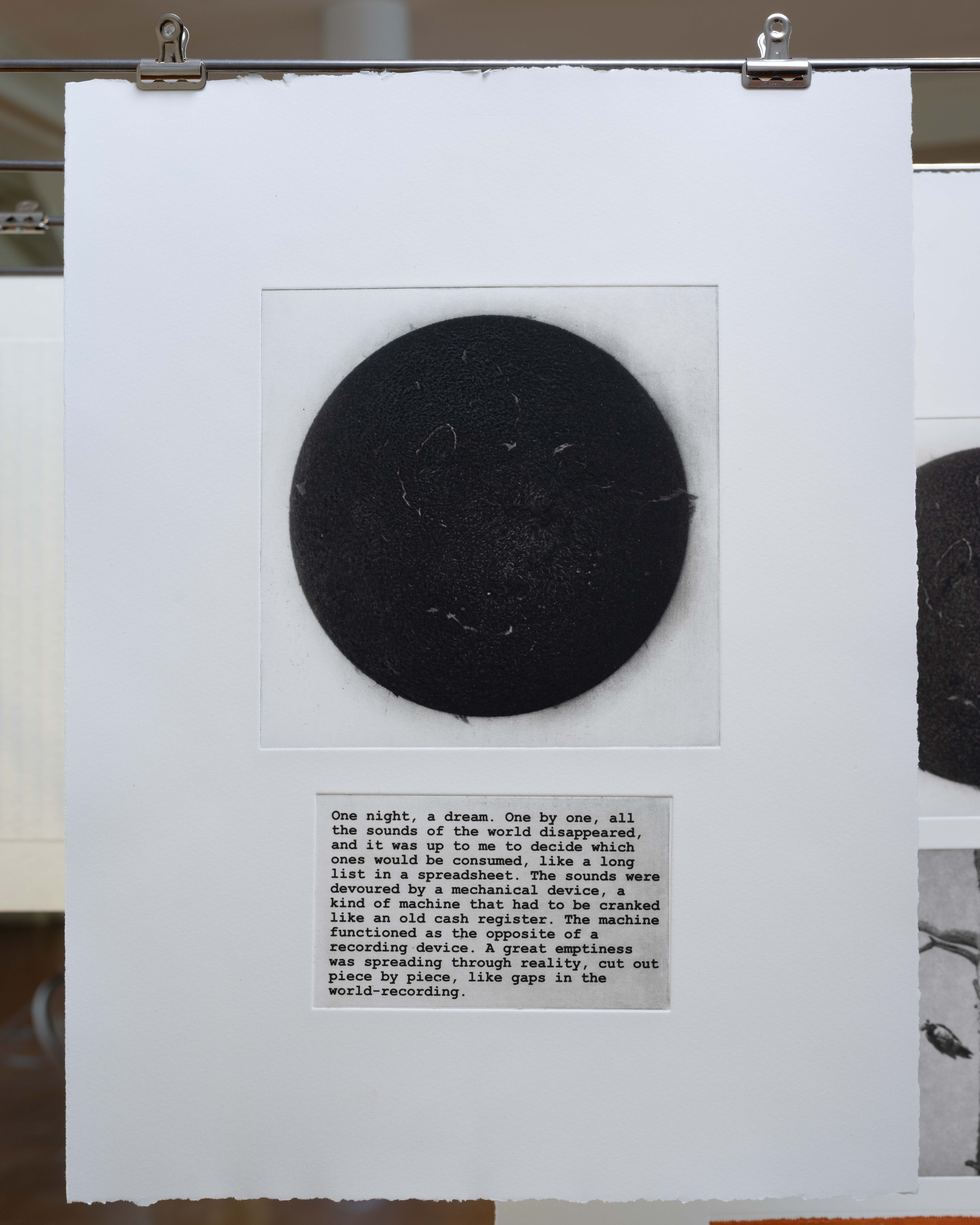
Espen Sommer Eide’s exhibition Wild Music Reserve (Pasvik) combines music, sound, video, and graphic prints that are results of the artist’s long-standing interest in nature reserves. Central to the exhibition is the strictly isolated Pasvik Zapovednik reserve on the Russian side of the river in Pasvik, Sør-Varanger, which operates under Soviet-style reserve thinking. The artist explores the area on several levels and opens up for an esoteric and alchemical approach.
In Search of a Sanctuary
Now that the border with Russia is closed, the reserve has, paradoxically, once again become a sanctuary for endangered species and old-growth forest, where nature is allowed to evolve freely without human interference. In a time when structures are collapsing and much is left to exploitation and extraction, Sommer Eide’s installation explores the possibility of a protected space. A hideaway unreachable by others, where intimate experiences and ways of life remain concealed and safeguarded. When the wind blows in the right direction, you can hear the music from here.
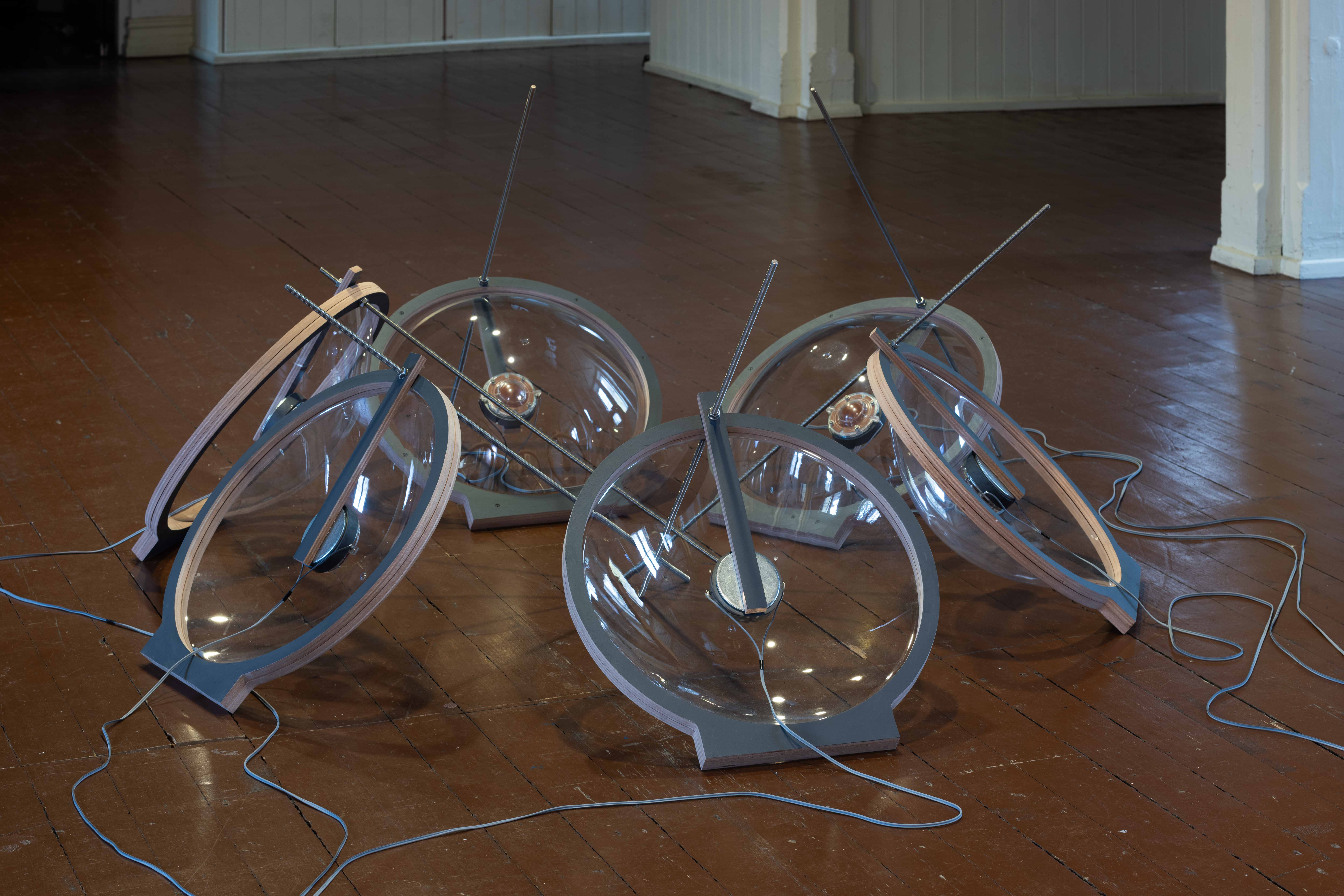
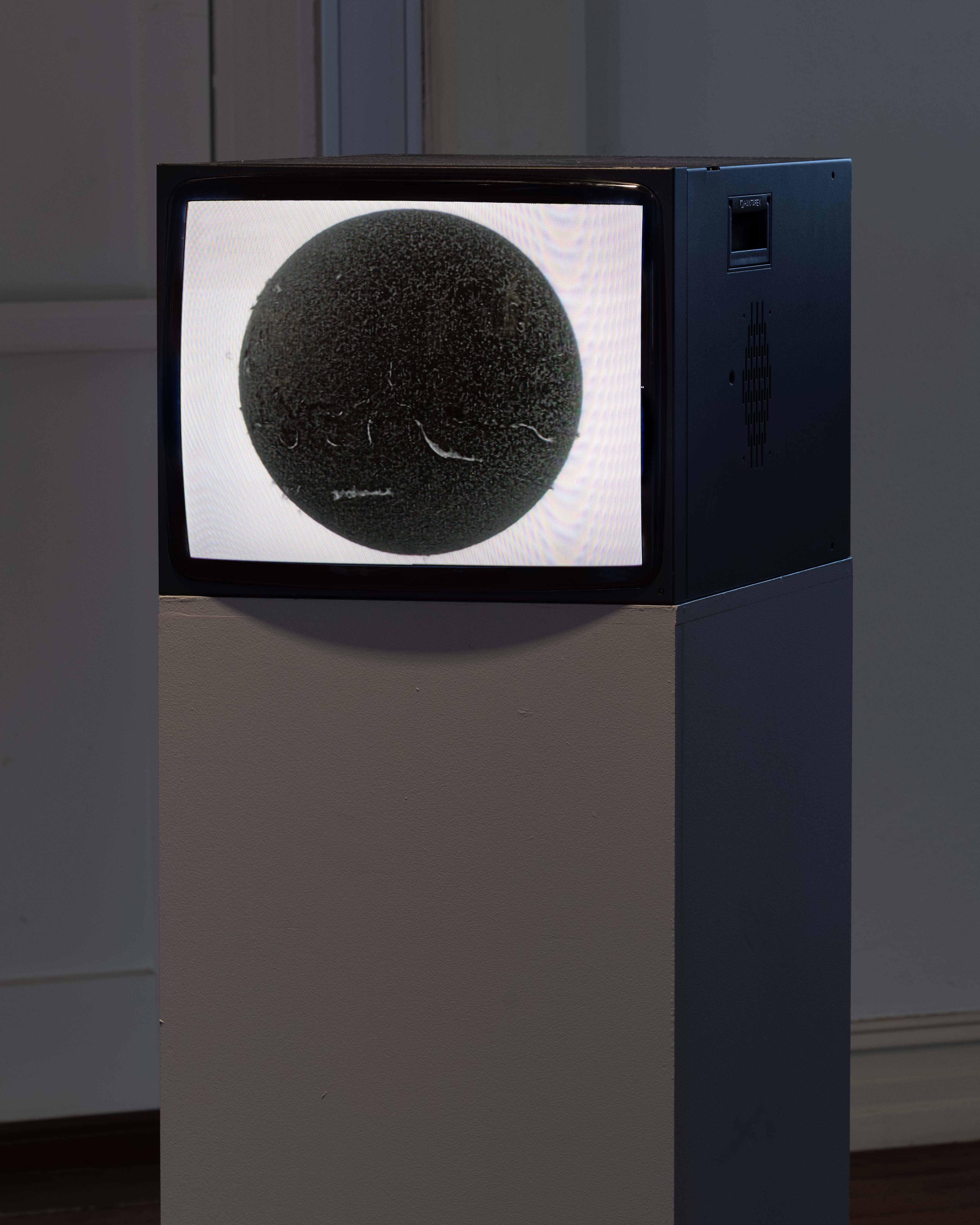
The installation is based on a series of performative experiments with remote sensing technologies, where the observer does not influence what is being examined. Examples include spatial sound field recordings, optical sound, observations of the sun and nature through various filters and lenses, as well as measurement techniques for phenomena normally invisible and inaudible to the human sensory system.
At the same time, Espen Sommer Eide explores a more open and esoteric approach through alchemy by the riverbank in Pasvik. A chemically grown piezoelectric crystal, used as a microphone for recording in the primeval forest, is documented on video. The crystal microphone functions as a sound prism between the shape of the place and the listener’s body.
The Role of Music in Art
In his artistic practice, Espen Sommer Eide works with time-based media, with music and sound as central elements. The artist takes an experimental approach to instruments, archives, places, and language.
In recent years, Sommer Eide has worked extensively in the border area between Norway, Russia, and Finland, as well as the Østensjøvannet nature reserve in Oslo. His works are grounded in networks of connections between nature, culture, history and sound in these spaces. He often does this by constructing unique instruments inspired by often forgotten pre-electronic, analog technologies, exploring the role that music can play in art.
The exhibition is supported by The Arts Council Norway, The Audio and Visual Fund, The Norwegian Fotographic Fund and Oslo Council.
On the occasion of the exhibition, here is a film that was made in which Espen Sommer Eide talks about the exhibition project and some clips of the works and sounds:
Reviews:
– Kanskje vil lyden som lagres i kunsten overleve all digitalisering, Ballade, 14.11.25
Fred i skogen, Klassekampen
Multimedialt landskapsmaleri
photos by Istvan Virag